Contact for researchers and applicants

KWF Grant Life Cycle Team: for all your grant and project support
If you have any questions regarding your KWF grant application or ongoing research project, our Grant Life Cycle Team is here to help: from preparing your funding application to completing your project.
Depending on the stage of your project, please contact the team that best fits your needs:
GRANT DESK
|
GRANT MANAGEMENT
|
Meet our Science Liaisons
Our science liaisons are appointed to KWF projects based on their area of expertise. They are the main contact for project leaders and monitor progress through kick-off and follow-up meetings, ensuring each project stays aligned with KWF’s guidelines and agreements. They also provide support, helping to address challenges, manage changes, and keep the research on track.
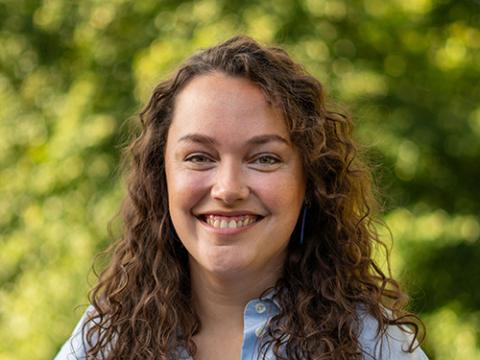
Jasmijn Span, MSc - Basic Research
Scientific research aimed at obtaining insight into the origin and progression of cancer, its (psychosocial) effects, as well as basic principles of prevention and treatment of cancer and relevant technological developments. Basic research does not directly focus on the possible application of this knowledge.
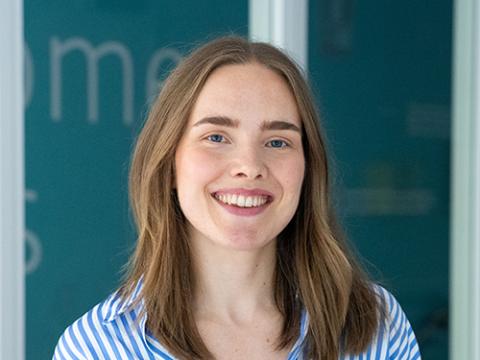
Eline Janssen, PhD - Basic Research
Scientific research aimed at obtaining insight into the origin and progression of cancer, its (psychosocial) effects, as well as basic principles of prevention and treatment of cancer and relevant technological developments. Basic research does not directly focus on the possible application of this knowledge.
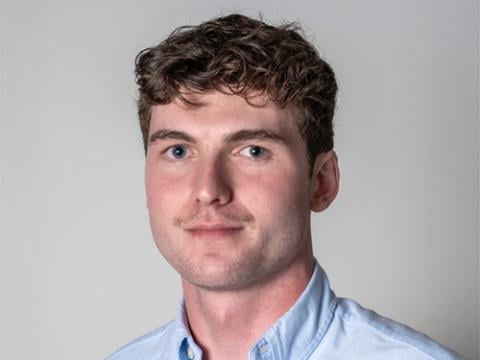
Jesse Kuipers, MSc - Biomarkers
Biomarkers are characteristics that are objectively measured and evaluated as an indicator for cancer risk, the presence of a specific cancer or recurrent cancer, the stage or severity of a specific cancer, and how well the patient responds to therapeutic intervention(s).
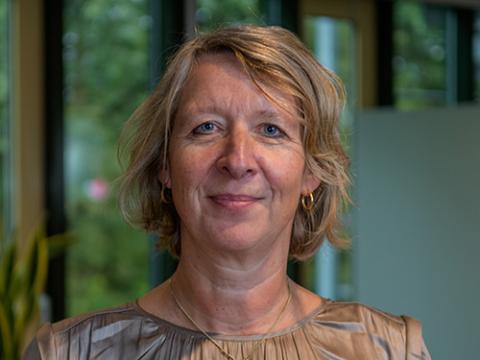
Sigrid Oomen, PhD - Interventive Devices
Treatment instruments to prevent or treat local-regional sites of cancer or precancerous lesions. The modalities may be delivered non-invasively (e.g. radiation therapy), minimally invasively (e.g.cryoablation, hyperthermia) or by open surgery (invasive).
Carrie Wismans, MSc - Imaging
Scientific research into imaging includes various types of techniques to obtain detailed pictures of areas inside the body, such as magnetic fields (MRI), X-rays (CT), ultrasound (echography) and radioactive substances (PET) for functional imaging. Imaging is used to detect early stage cancer, diagnose disease, plan treatment or assess therapeutic response.
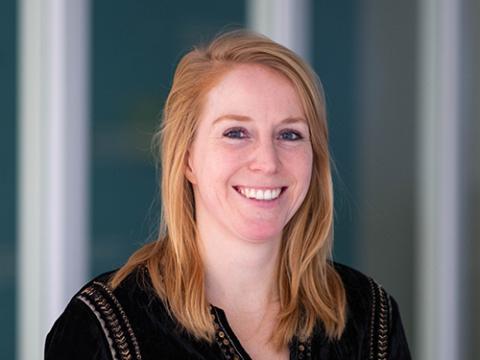
Céline Sewnath, PhD - Pharmaceuticals (pre-clinical)
Preclinical studies to develop and test pharmaceuticals, including immunotherapies (e.g. checkpoint inhibitors, vaccines, and cellular ATMPs such as CAR-T or TIL) and gene therapies.

Esther Dalhuisen-Suurland, MSc - Pharmaceuticals (clinical)
Clinical trials studying the treatment effect of pharmaceuticals, including chemotherapy, targeted drugs (e.g. kinase inhibitors, synthetic lethality agents), immunotherapies (e.g. checkpoint inhibitors, vaccines, and cellular ATMPs such as CAR-T or TIL), gene therapies, and radiopharmaceuticals.
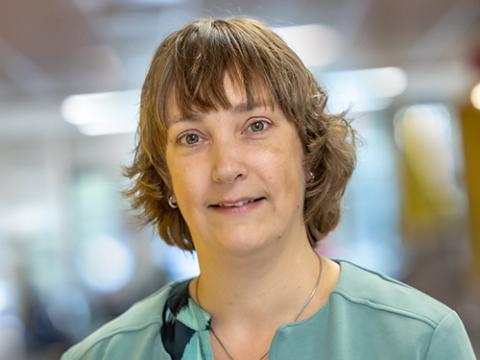
Jeroen Willemse, PhD - Oncological Care
Oncological Care focuses on optimizing oncological care to individual patient needs and implementing research findings into clinical practice. This includes research on Quality of Life, Quality of Care and late-phase Interventive Devices research (phase 2-3), covering multicentre and international clinical studies on effectiveness, safety and side effects of surgery, radiotherapy and other interventions.
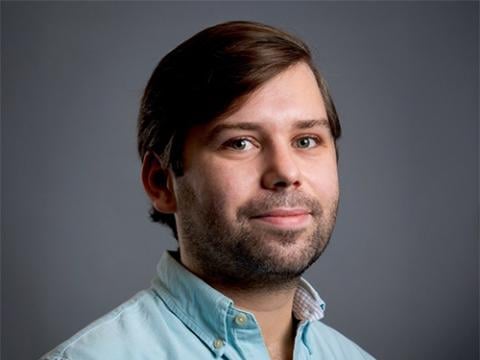
Kim Elsink, MSc - Quality of Life & Lifestyle
Quality of life encompasses all aspects of well-being, including functional, social, societal, psychological, emotional and existential problems in (ex)patients and their caregivers.
Lifestyle focuses on the role of lifestyle and environmental factors in cancer prognosis, treatment and prevention, and on how these insights can contribute to better outcomes for patients.
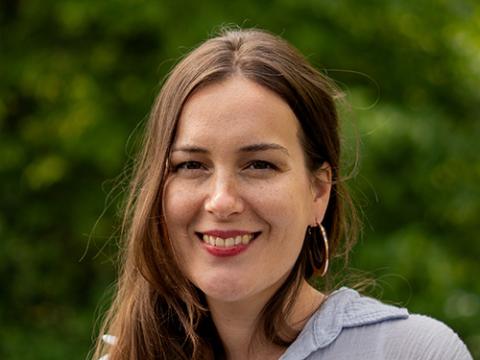
Fiona Heeman, PhD - Work and Cancer & Brain and Cognition
Research into the impact of cancer and its treatment on work, participation, cognition, daily functioning and quality of life, and on tailored support for people living with or after cancer.
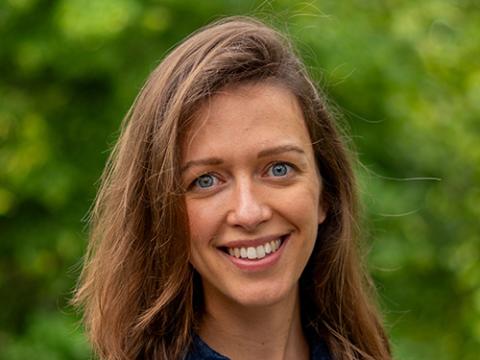
Ralph Geuskens, MSc - Infrastructure & Pharmaceuticals (pre-clinical)
Infrastructural initiatives provide services, resources and networks that support cancer research, enabling researchers to accelerate the translation of results to patients and the public.
Preclinical studies to develop and test pharmaceuticals, including chemotherapy, hormone therapy, targeted drugs and radiopharmaceuticals.


